
Guide to Predator Hunting
By: Tom Smith (Precision Predator Solutions)
Predator Hunting is widely regarded to be a proud American tradition. No matter where you live, or what level of excitement your mood desires, there is likely some kind of hunting you can enjoy nearby. Predator hunting is one type of hunting that you can pursue nearly anywhere. Whether your intention is to remove non-indigenous species or protect your animals from becoming a predator’s next meal, predator hunting can provide an exciting hunt with a purpose. There are, however, some things you will want to be familiar with before you attempt predator hunting.
Naturally, before you hunt, you have to be well versed in your local laws regarding what types of firearms and calibers are permitted. In some cases, only smaller caliber centerfire rifles or rimfire rifles are permitted. Some areas limit hunting to the use of a shotgun with limits on shot sizes. Sometimes, the discharge of a firearm is forbidden entirely. If that is the case, an air rifle may be an option as it may not be considered a “firearm” by law. You also have to be familiar with what type of licenses, if any, are required and if any of this differs from daytime hunting verses nighttime hunting.
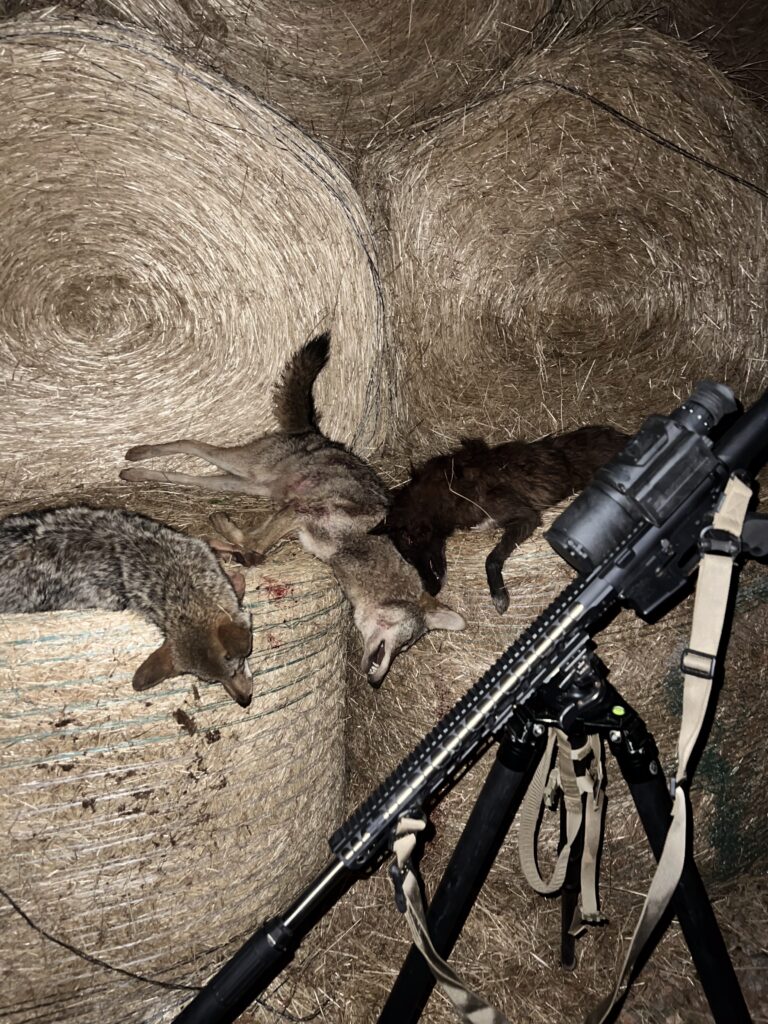
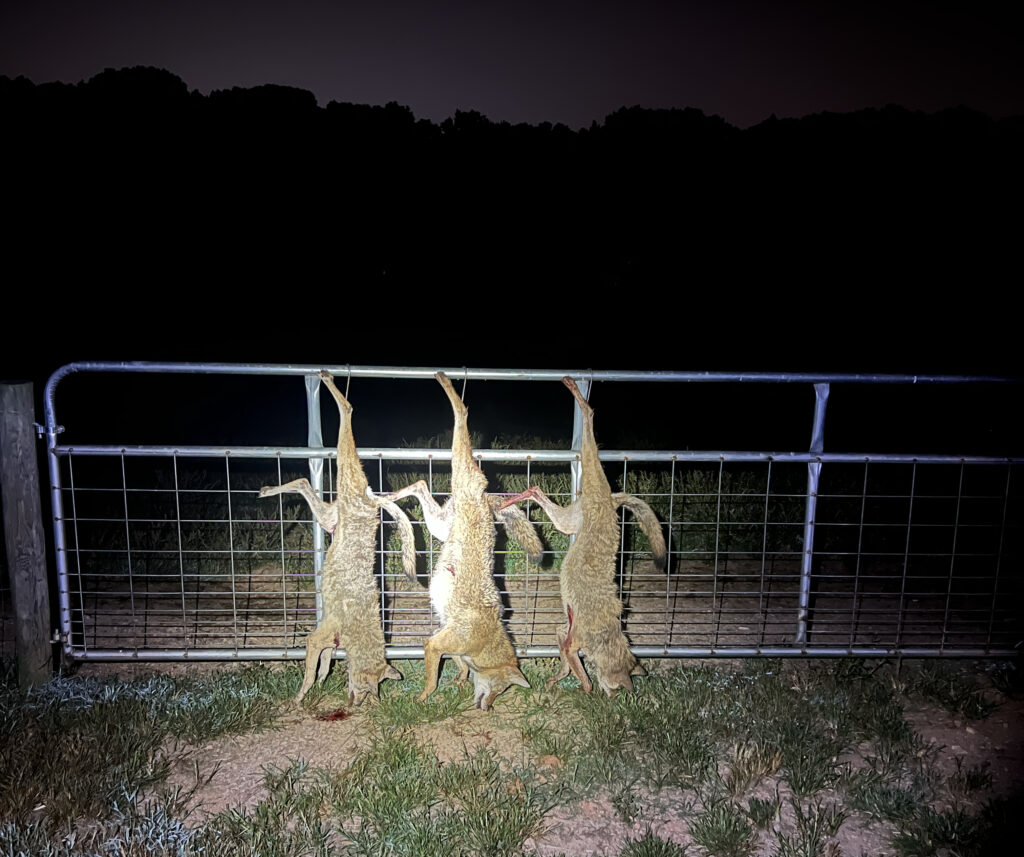
I have heard some say that there is no adrenaline “rush” like the one you get from calling in a turkey. I have also heard duck hunting described this way. For me, no hunting beats the rush you get when coyote hunting. A coyote is clever, weary, and elusive! They have extremely keen senses and, as a result, have proven their ability to thrive in any environment. Their home range was once limited to the western United States.
Today, largely because of human introduction, they can be found throughout North America and in every US state except Hawaii. Nothing beats the rush you get when you call in a coyote, that may have even called back, and you see it rushing into your “set”. It may be rushing in because it thinks there’s an easy meal or it may be rushing in to fight what it perceives as another coyote trespassing in it’s territory. Either way, it is rushing in and you only have seconds to make your shot count.
Where to Predator Hunt
To make this happen, many factors have to be considered. First of all, you have to “fish where the fish are”. You have to have access to land where there are coyotes. Generally, a coyote is only going to travel a few hundred yards to a call. You have to be close enough to make the coyote feel that traveling to you is worth their while. An old-timer once told me that you have to think of them like professional thieves looking to steal and avoid being stolen from. They are used to fighting to survive but naturally prefer to avoid a fight if possible. With this in mind, you have to convince them that traveling to you offers a benefit. There are a plethora of call choices and everyone you talk to will likely have a different opinion on their preferred call at the time. Some prefer to keep their calling preferences a secret but, generally, it is like fly fishing. Some calls will work better at certain times of the year than others. It is also a bit like turkey hunting.
You are trying to “speak the language” so it helps to have a general idea of what “type” of howl or bark you are using, or hearing from them in return, so you know how to respond. Additional factors that have to be considered are the availability of food sources, proximity to water, terrain, hunting pressure, temperature, and season. Some believe that the moon phase, weather, and barometric pressure are also factors to consider. There may be differing opinions on some of this but the one indisputable factor is wind. Above everything else, know that you must avoid being smelled. A coyote will always respond with the wind in its favor if possible so know the wind and use it to your advantage.
Have an idea of where you expect the coyote to come from and position yourself, as well as your call, somewhere where you will get a shot on the coyote BEFORE it winds you as it comes within range. If they smell you, that set is over and you have just educated that coyote. An educated coyote is the hardest coyote to kill. Coyotes are like squirrels. Remove one and another will eventually move in. Coyotes will move into any open territory not already claimed by a more dominant coyote. The longer a coyote gets to spend in an area, the more comfortable they get. The more comfortable they are, the harder they are to remove.
Equipment for Predator Hunting
Like anything else, special equipment isn’t necessarily required. There are, however, tools available that make the job a lot easier. Special camouflage isn’t necessary but they do have good eyesight so blending in helps. It is important to be quiet when initiating a set so walking a distance to the set is helpful. Choose comfortable footwear that helps avoid scent dispersal.
An electronic caller with a good speaker system and quality, long distance remote makes calling much more effective. Mouth calls and hand calls are a lot less expensive and can be very effective if you can become proficient with them. With a lot of practice, they can be used alone but they are most effective when used in conjunction with an electronic caller.
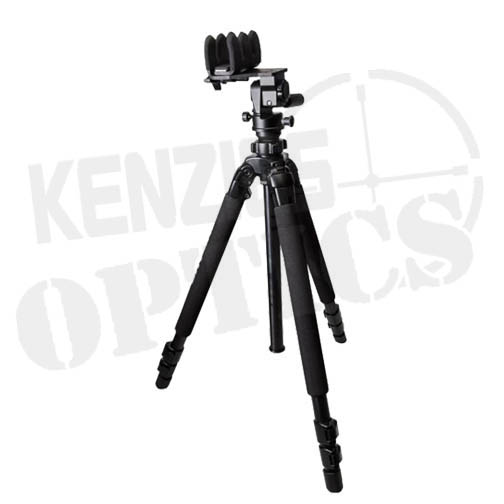
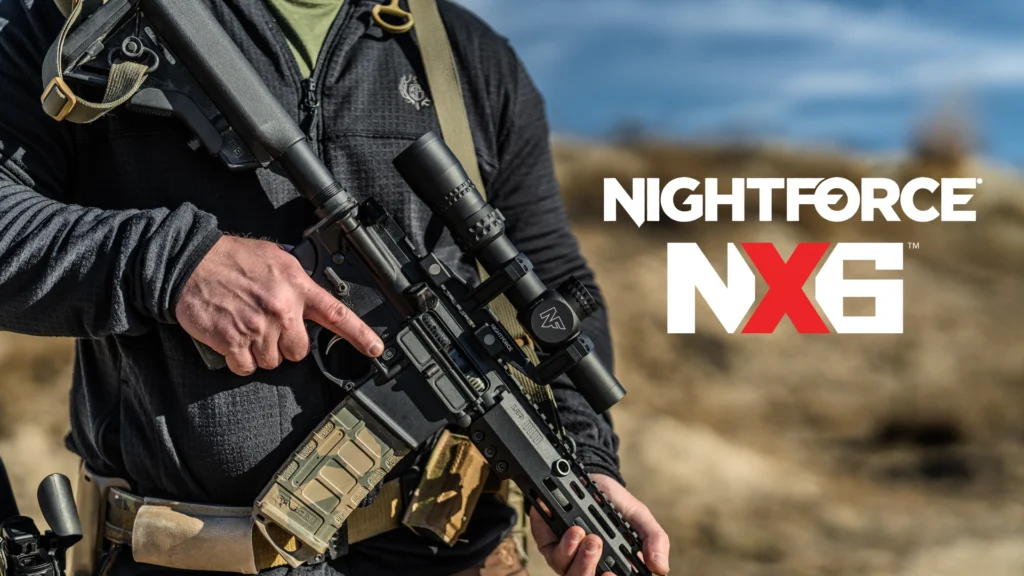
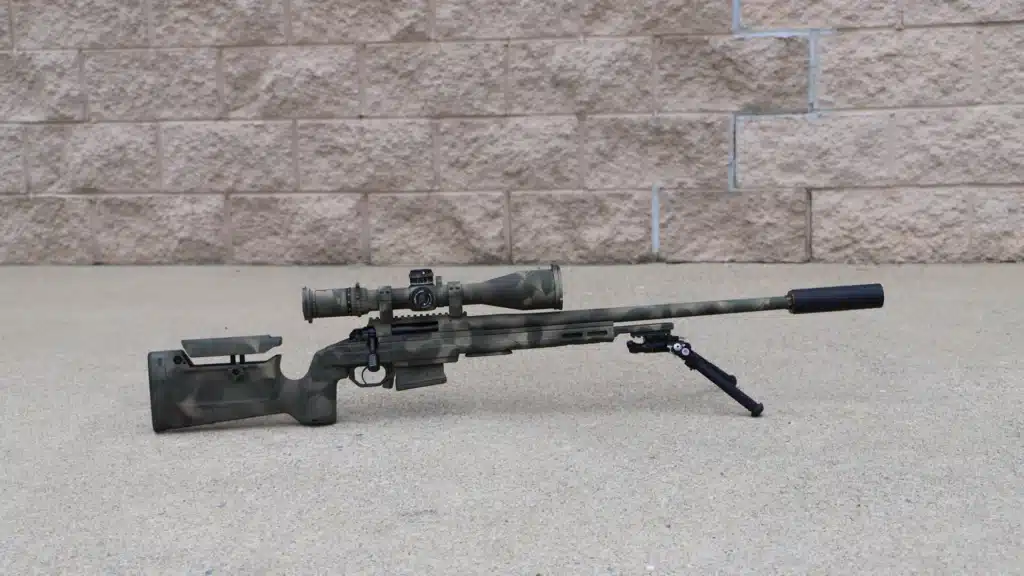
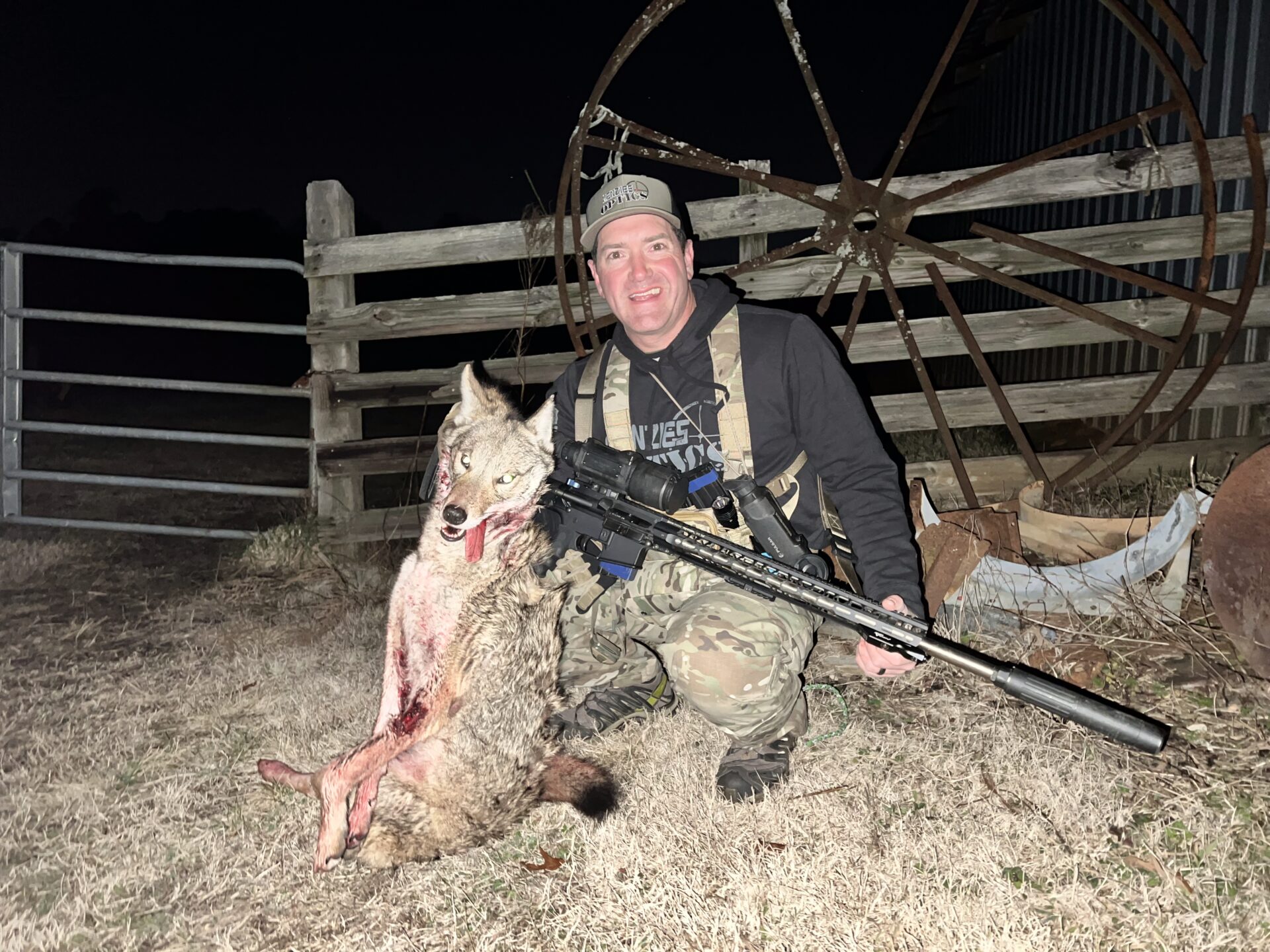
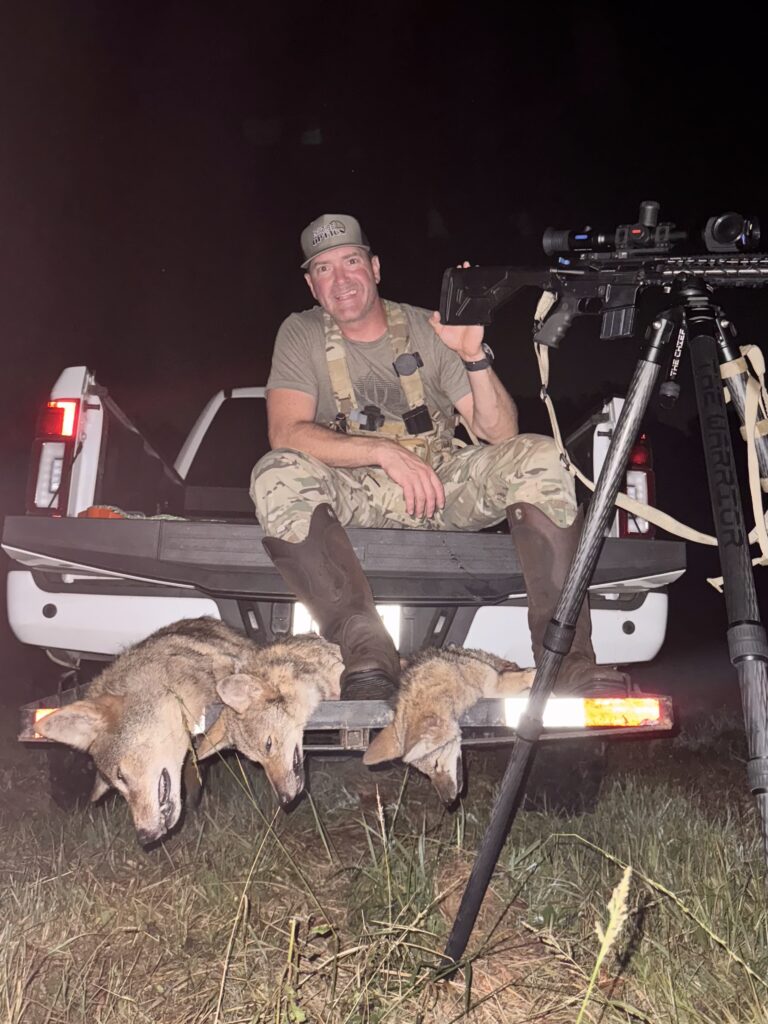
A dependable rifle in an adequate caliber also helps. What makes a rifle and caliber “adequate” is argued about as much as what call to use but most will work just fine with a well placed shot. Just be proficient with your preferred weapon platform. Some sort of bipod or shooting sticks help provide for steady shots. A suppressor helps by providing shots at reduced decibel levels so accompanying coyotes just might stop for a second to look back after that initial shot, offering you a chance at getting multiple coyotes in one set. More than anything, a suppressor saves the ears of you and your hunting partners!
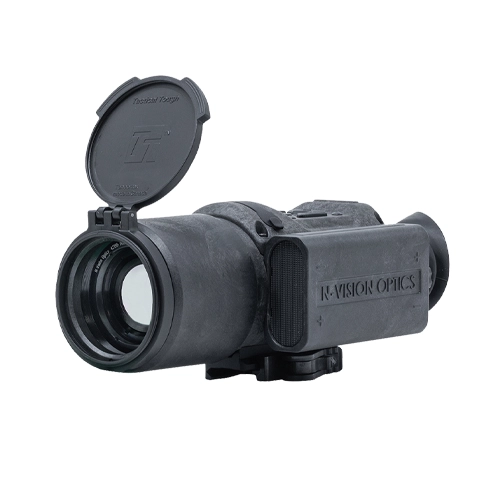
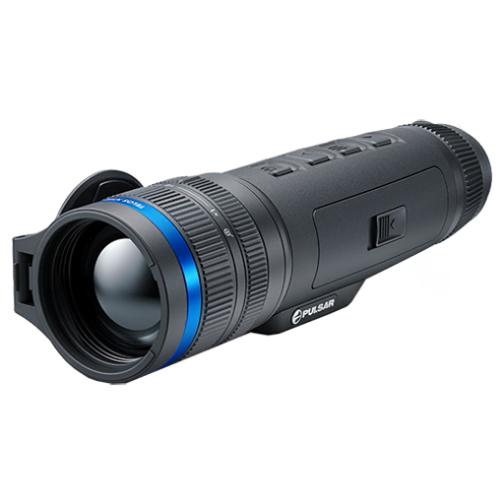
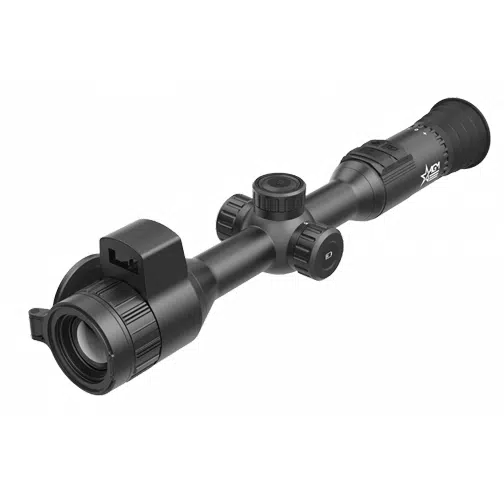
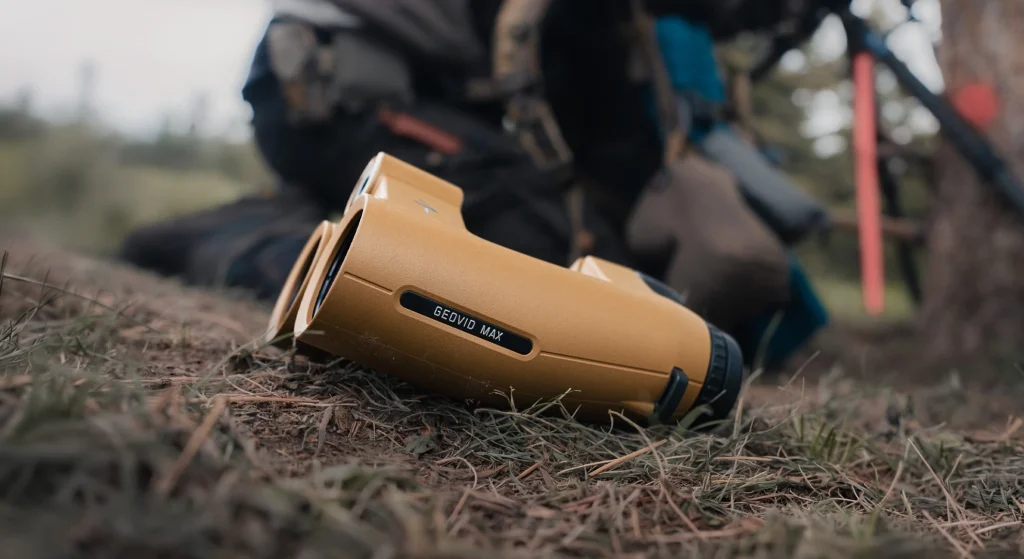
None of this matters if your weapon system doesn’t have quality optics that enable you to see and identify the predator with certainty. That “rush” I described, comes from seeing the coyote rush in. That requires you to “see” it and see it well. Then you can make a safe, effective shot. Quality optics are a tremendous help on daytime hunts. Night vision is an option for nighttime hunts but a quality thermal scope at night is an absolute game changer! It could mean the difference between you getting a shot and going through all of that hard work just to miss the opportunity. Even worse, it could also mean misidentifying a non-game species for a predator. That could mean: seeing that those ears are rounded like a deer rather than pointed like a dog; or that tail is curled like a domestic dog rather than more straight; or those characteristics are more like a fox than a coyote. There is nothing more important than making it a safe hunt. The best tool to make a safe hunt possible is a quality thermal scope. Adding a quality thermal handheld for easier spotting while you’re calling is a huge bonus.
I am no biologist but I would venture to say that there is likely no animal more adaptable than a coyote. You can hunt them almost anywhere. Give predator hunting a try! You’ll be assisting landowners with their predator problems as well as helping the environment in those areas where predators such as coyotes are invasive. Just remember, the “success” of the hunt isn’t defined by the number of predators removed. The American tradition of hunting is about fellowship with family and friends and making memories with conservation in mind. Be willing to learn and be safe!